
September 1, 2026 – Boston Magazine
Back
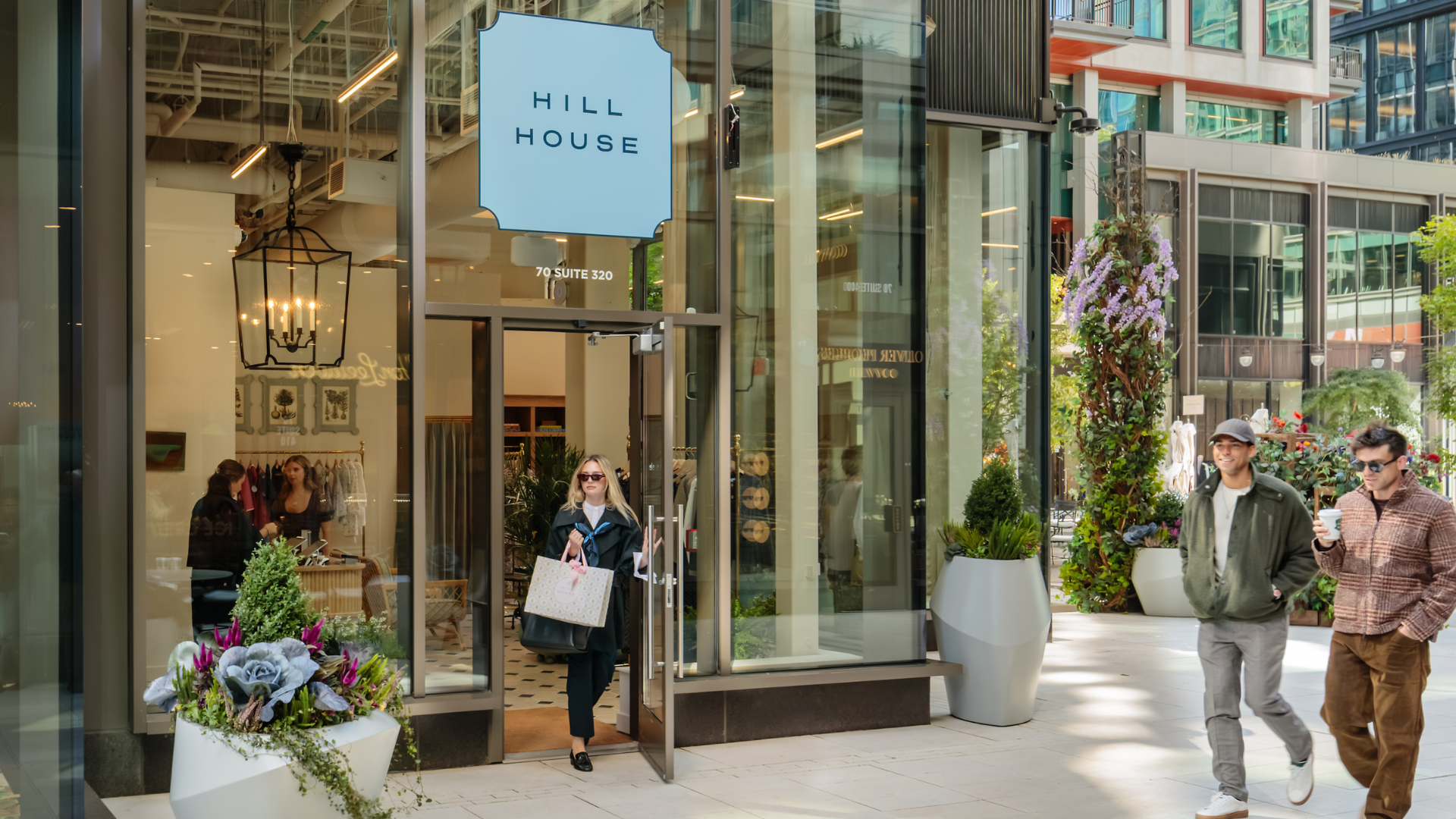
Why Leading Retailers Are Choosing Seaport
If Newbury Street is still Boston’s most famous shopping district, the Seaport is fast becoming the city’s biggest branding opportunity.
Take Ralph Lauren: When the designer recently opened its new Seaport storefront, it didn’t simply unveil another place to shop for polos and cable knits. It introduced the city’s first permanent Ralph’s Coffee, inviting customers to linger over a latte before browsing. Then there’s Hill House, the fashion label beloved for its cult-favorite Nap Dress: It will open its first Boston boutique in the neighborhood later this year, complete with cozy rose-hued sofas and custom wallcoverings recalling the brand’s romantic dress patterns. Family-owned, coastal-inspired apparel brand Faherty, meanwhile, is set to relocate to a new storefront nearby with a beach-house vibe: think natural woods, vintage marine-inspired collectibles, and relaxed armchairs that match the brand’s laid-back vibe.
Individually, they’re store openings. Collectively, they’re a statement about where brands want to be. While Newbury Street’s historical storefronts come with undeniable charm, the Seaport’s newer buildings give brands the opportunity to start from scratch. Increasingly, “[they’re] treating neighborhood selection as a branding decision on par with store design or advertising, not just a real estate one,” says Remi Trudel, a marketing professor at Boston University’s Questrom School of Business, who notes that the Seaport offers retailers a rare blank canvas to build that experience from the ground up.
It’s an advantage the neighborhood’s largest developer is eager to point out. “Rather than adapting to older, preexisting spaces, brands here have the ability to design and create stores that fully reflect their identity—from layout to materials to overall experience,” says Ariel Foxman, area vice president of brand and experience at WS Development. Just as important is what happens beyond the storefront. “Brands aren’t just opening a store; they’re joining a neighborhood that actively brings people in and creates reasons to return,” Foxman notes.
That’s what drew Hill House to the Seaport. “We’ve been very intentional about choosing [locations] where people genuinely spend time,” founder Nell Diamond says. “Seaport is a neighborhood that’s still evolving, and it’s become a destination where people spend an entire day.” For brands that see their physical stores as an extension of their identity—not simply a place to sell their goods—that’s an increasingly compelling proposition.
See the full story here